High Line Access Control Locksmith Service Team
Local locksmith team
Jul 10, 2026 10 min read
If you've ever stood in a hardware store staring at lock options — or called a locksmith after a break-in attempt on your Jackson Heights apartment door — you've probably wondered whether you have the right lock in the first place. Two of the most common choices for Queens homes and storefronts are the mortise lock and the cylindrical door knob lock, and while both keep doors closed, they are built very differently, perform very differently under pressure, and suit very different situations. Choosing the wrong one can leave your Flushing bodega or your Forest Hills co-op more vulnerable than you realize.
This guide breaks down exactly how a mortise lock and a door knob lock compare across the things that matter most: security strength, long-term durability, how each one fits into a typical Queens door, and the factors that influence what you'll pay. Whether you're upgrading after a break-in, renovating a brownstone in Ridgewood, or just wondering why your landlord chose one over the other, you'll leave with a clear answer — and know when it's time to call a skilled locksmith to get the job done right.
## What Is a Mortise Lock — and How Does It Differ from a Door Knob Lock?
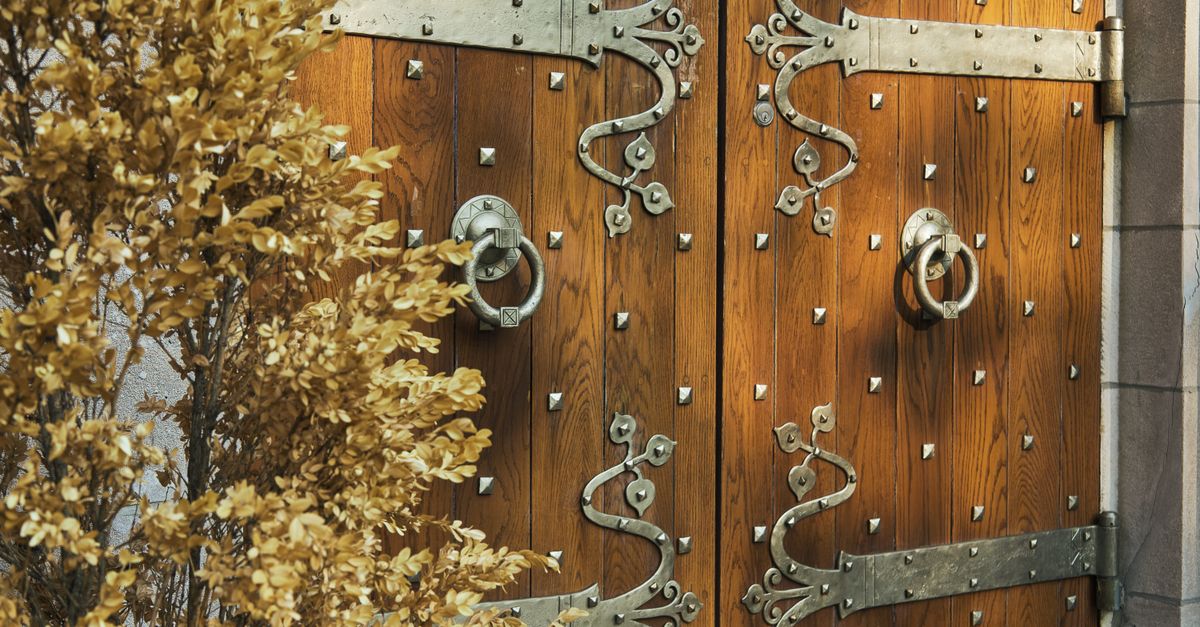
A mortise lock is a lock set that fits into a deep rectangular pocket — the mortise — cut into the edge of the door. Unlike a surface-mounted deadbolt or a simple knob, the entire mechanism lives inside the door body itself. A full mortise lock set typically includes the lock body, a cylinder for key entry, a thumb turn on the inside, and a face plate that sits flush with the door edge. Because the hardware is recessed and integrated, the door itself becomes part of the locking structure. You'll find mortise locks on most older New York City apartment buildings, commercial storefronts along Jamaica Avenue, and any door where the landlord or owner invested in serious security from the start. They are the gold standard in urban door hardware for a reason.
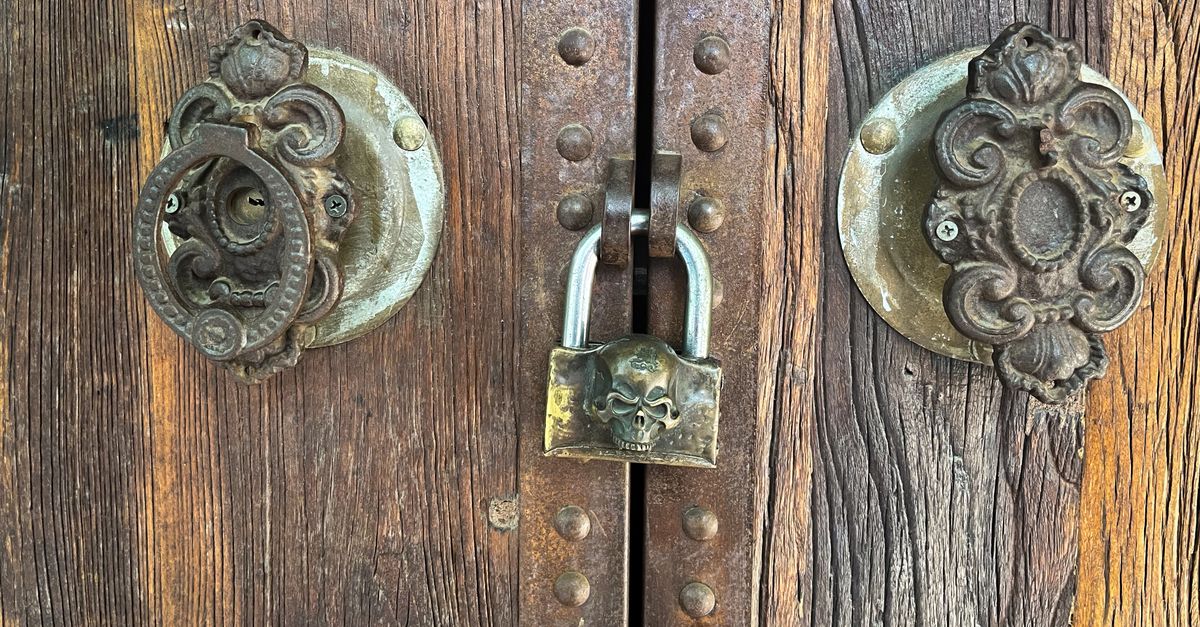
A door knob lock — sometimes called a knob lock or cylindrical lock — works on a completely different principle. The locking cylinder sits inside the knob itself, and the knob assembly passes through a bored hole in the door. The latch and the lock mechanism are contained in a smaller, self-contained unit. A door knob with lock and key is what most people picture as a basic residential lock: easy to install, widely available, and sufficient for interior doors or low-traffic entryways. The core difference is structural depth. A mortise lock is built into the door; a knob lock is mounted onto it. That distinction drives nearly every other difference in security, durability, and cost.
## Security Comparison: Where a Mortise Lock Earns Its Reputation
When it comes to resisting forced entry, a mortise lock has a clear structural advantage. Because the lock body is recessed deep into the door, an attacker cannot simply wrench the knob or strike the assembly to defeat the mechanism — the door frame and door itself absorb the force. A properly installed mortise lock set also typically includes a deadbolt throw that extends significantly into the strike plate and frame, making kick-in attacks far less effective. For a street-level storefront in Corona or a first-floor apartment in Astoria, that structural resistance is not a small detail. It is the difference between a door that holds and one that doesn't. Many commercial locksmiths specify mortise hardware for exactly this reason on any door facing a public street or shared hallway.
A standard door knob lock, by contrast, has a known vulnerability: the knob itself is the weak point. Someone who knows how to pick a door knob lock — or who simply applies enough lateral force to the knob — can sometimes defeat the mechanism more easily than with a mortise-style system. This does not mean knob locks have no place; on interior doors, secondary entrances, or in combination with a heavy-duty deadbolt, a door knob with lock can serve well. But for a primary entry door in a dense urban environment like Queens, relying on a knob lock alone is a risk most experienced locksmiths would advise against. Pairing a knob lock with a separate deadbolt improves security significantly — though at that point, you are essentially building a two-piece system that a mortise lock delivers in one integrated unit.
## Durability, Door Compatibility, and the Queens Building Reality
Queens has an exceptionally diverse housing stock — pre-war apartment buildings in Sunnyside with thick solid-wood doors, 1970s brick two-families in Howard Beach with hollow-core steel doors, and everything in between. Mortise locks were the default choice for decades in New York City construction because those older, thicker doors have room for the deep pocket a mortise installation requires. If your door already has a mortise cutout from a previous lock — common in pre-war buildings throughout Woodside and Elmhurst — installing a new mortise lock set is straightforward for a trained locksmith. The hardware drops into an existing pocket, which means minimal door modification and a clean, professional result.
For newer or thinner doors, a cylindrical knob lock is often the more practical fit. The bored-hole installation requires far less door material and works well on hollow-core or lightweight steel doors where cutting a mortise pocket would compromise structural integrity. Durability over time, though, still favors the mortise design for high-traffic doors. A commercial storefront that opens and closes hundreds of times a day will wear through a knob lock mechanism faster than a mortise body built from solid brass or steel internals. When our team responds to a commercial locksmith call in Long Island City or Bayside, the conversation about hardware often comes down to one question: how much use does this door actually get? High traffic almost always points toward mortise.
## Cost Factors and What to Ask Before Any Lock Job — Emergency Locksmith Considerations Included
One of the most common questions we hear — especially after an emergency locksmith call at 2 a.m. in Jamaica or Ridgewood — is some version of 'How much does a locksmith charge in New York?' or 'How much does an emergency locksmith cost near me?' The honest answer is that the final price depends on several specific variables: the type of lock and hardware being installed or serviced, whether the call comes during standard hours or overnight, travel distance within the Queens area, and whether specialty parts need to be sourced for an older or unusual door. A mortise lock set in a rare finish for a pre-war door is a different job from swapping a standard knob lock on a modern apartment door. What we always do before touching anything is confirm an exact up-front price — no surprises once the work is done.
What should you ask a locksmith before hiring? A few questions matter most: Are you insured? (We are.) Will you give me a firm price before starting? (We will.) Can you show me the hardware options? (Yes — we carry a range of quality options from brands like Schlage and Kwikset, and we'll explain the trade-offs for your specific door.) For any lock job in Queens — whether it's a routine upgrade or a middle-of-the-night lockout on the Grand Central Parkway — these are the questions that separate a trustworthy locksmith from someone who will surprise you with add-on fees. If you're weighing your options right now, call 718-928-6755 and our team will walk you through the factors specific to your door before you commit to anything.
## Choosing the Right Lock for Your Queens Home or Shop — and When to Call a Professional
For most primary entry doors in Queens — especially ground-floor apartments, storefronts, and basement-level units — a mortise lock is the stronger long-term choice. It integrates security into the door itself, resists the kinds of forced-entry attempts common in urban environments, and holds up under daily wear far better than a standalone knob lock. If your door already has a mortise cutout, there is almost no reason not to use it. If it doesn't, a skilled locksmith can assess whether your door is a good candidate for a mortise conversion or whether a high-quality deadbolt paired with a knob lock is the smarter fit.
For interior doors, secondary entrances, or situations where budget and door thickness genuinely limit options, a door knob lock remains a perfectly legitimate choice — especially when combined with additional security measures. The key is matching the hardware to the actual threat level and use pattern of that specific door, not just buying whatever is on the shelf. Our team handles both installations and replacements throughout Queens every day, from residential re-keys in Jackson Heights to full commercial locksmith hardware upgrades for shops in Flushing's Main Street corridor. Whatever your door situation, we'll give you a straight assessment — no upselling, no guesswork. Call 718-928-6755 any time, day or night — we answer 24/7 and we're always mobile, always local.
Frequently asked questions
What is a mortise lock and do I need one for my Queens apartment?+
A mortise lock is a lock mechanism installed inside a deep pocket cut into the door's edge, making it structurally integrated with the door itself rather than mounted on its surface. For a primary entry door in Queens — especially a ground-floor or street-facing unit — a mortise lock offers significantly better resistance to forced entry than a standard knob lock alone. Many pre-war apartment buildings in neighborhoods like Astoria, Sunnyside, and Jackson Heights were built with mortise-ready doors, so if your door already has the cutout, upgrading to a new mortise lock set is one of the most practical security investments you can make. Call 718-928-6755 and we can assess your door and explain your options before any work begins.
What are common reasons to call a locksmith in Queens?+
The most frequent calls we receive across Queens involve residential lockouts (lost keys, broken keys in the lock, or a lock that simply stopped working), commercial locksmith jobs like rekeying after staff turnover or upgrading storefront hardware, car lockouts in parking areas near JFK or along the Van Wyck Expressway, and lock replacements after a break-in or attempted break-in. We also handle planned upgrades — homeowners and shop owners who want to switch from an aging knob lock to a more secure mortise lock set before a problem ever happens. Any of these situations warrants a call to a trained locksmith rather than attempting a DIY fix that could damage the door or the lock body.
Can a locksmith open any lock, including a mortise lock?+
Experienced locksmiths can open the vast majority of residential and commercial locks through legitimate, non-destructive techniques — but it is worth knowing that high-security mortise locks with anti-pick, anti-drill, and anti-bump cylinders are specifically engineered to slow down or defeat unauthorized entry, including by people with lock-picking knowledge. That is one of the reasons we recommend them for high-risk doors. When our team opens a lock for a verified owner or tenant, we use professional methods appropriate to the lock type. Some high-security cylinders may require drilling as a last resort, in which case we'll always explain that before proceeding and handle the repair or replacement on the spot.
How much does an emergency locksmith cost, and how is the price determined?+
There is no single flat rate for emergency locksmith work in New York — and anyone who quotes you a price without knowing the details of your situation is guessing. The factors that shape your actual quote include the type of lock involved (a standard knob lock versus a high-security mortise lock set), the time of day (overnight and weekend calls involve different logistics), travel distance within the Queens area, and whether parts or replacement hardware are needed. What we always do is confirm an exact price before any work begins — so you know what you're agreeing to. To get a straightforward quote for your specific situation, call 718-928-6755 any time.